
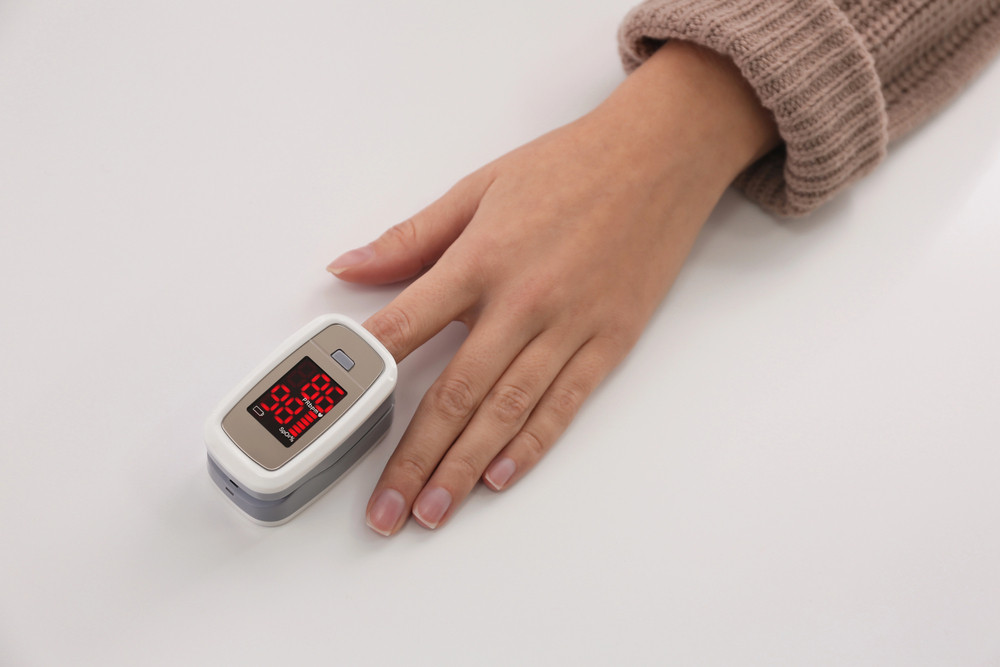
A pulse oximeter provides a quick, noninvasive way to check two important vital signs: blood oxygen saturation and pulse rate. Although the device is simple to use, understanding the numbers on its display is essential for interpreting the results correctly.
Most fingertip models use light beams to estimate how much oxygen the blood is carrying while simultaneously detecting the heartbeat. Here is what each pulse oximeter reading means and what you should know before relying on a measurement.

What Do the Numbers on a Pulse Oximeter Mean?
The two primary readings displayed on a pulse oximeter are SpO2 and pulse rate. Some models may also show a pulse-strength indicator, waveform, or perfusion index, but oxygen saturation and pulse rate are the main measurements.
1. Blood Oxygen Saturation, or SpO2
SpO2 represents peripheral oxygen saturation. It estimates the percentage of hemoglobin in the blood that is carrying oxygen.
This reading appears as a percentage, often beside the label “SpO2.” For many healthy individuals, a typical reading at sea level falls between 95% and 100%. However, expected oxygen levels can vary based on factors such as altitude, age, respiratory conditions, cardiovascular health, and a person’s normal baseline.
A lower-than-usual reading does not automatically indicate a medical emergency, but it should not be ignored, especially when accompanied by symptoms such as difficulty breathing, chest pain, confusion, or bluish lips or fingertips. Follow the oxygen-level guidelines provided by your healthcare professional rather than interpreting one reading in isolation.
2. Pulse Rate
The second number is the pulse rate, usually labeled “PR,” “PR bpm,” or simply “bpm.” It indicates how many times the heart beats per minute.
A typical resting pulse rate for most adults ranges from 60 to 100 beats per minute. Athletes and physically active individuals may have lower resting rates, while exercise, stress, fever, medication, dehydration, and illness can temporarily raise or lower the pulse.
The pulse rate shown by an oximeter is useful for spot checks, but the device does not provide a complete evaluation of heart rhythm or cardiovascular health.
How to Get a More Accurate Pulse Oximeter Reading
For a reliable result, sit quietly for several minutes before taking the measurement. Make sure your hand is warm, relaxed, and positioned below heart level. Place the device securely on a clean fingertip and remain still until the numbers stabilize.
Cold hands, movement, poor circulation, nail polish, artificial nails, bright surrounding light, device placement, and skin pigmentation may affect accuracy. Consider repeating an unexpected result on another finger and comparing it with your usual readings.
Choosing a Pulse Oximeter
A dependable device should have a clear display, straightforward controls, and a comfortable fingertip fit. Explore professional and home-use pulse oximeters designed to provide convenient oxygen saturation and pulse-rate measurements.
Understand Both Readings for Better Monitoring
The two readings on a pulse oximeter provide different but complementary information. SpO2 estimates the blood’s oxygen saturation, while pulse rate measures heartbeats per minute. Monitoring trends in both numbers can provide useful health information, but a pulse oximeter should support, not replace, professional medical assessment. Contact a healthcare provider when readings are consistently abnormal, differ significantly from your baseline, or occur alongside concerning symptoms.