

Choosing the right stethoscope matters when examining young patients. Babies and children have smaller bodies than adults, making appropriately sized equipment especially important for accurate placement and effective auscultation.
Two common options are infant and pediatric stethoscopes. While they share many of the same basic features, their chestpiece sizes and intended patient populations are different. Understanding the distinction can help clinicians choose the right instrument for neonatal, infant, and pediatric care.
What Is an Infant Stethoscope?
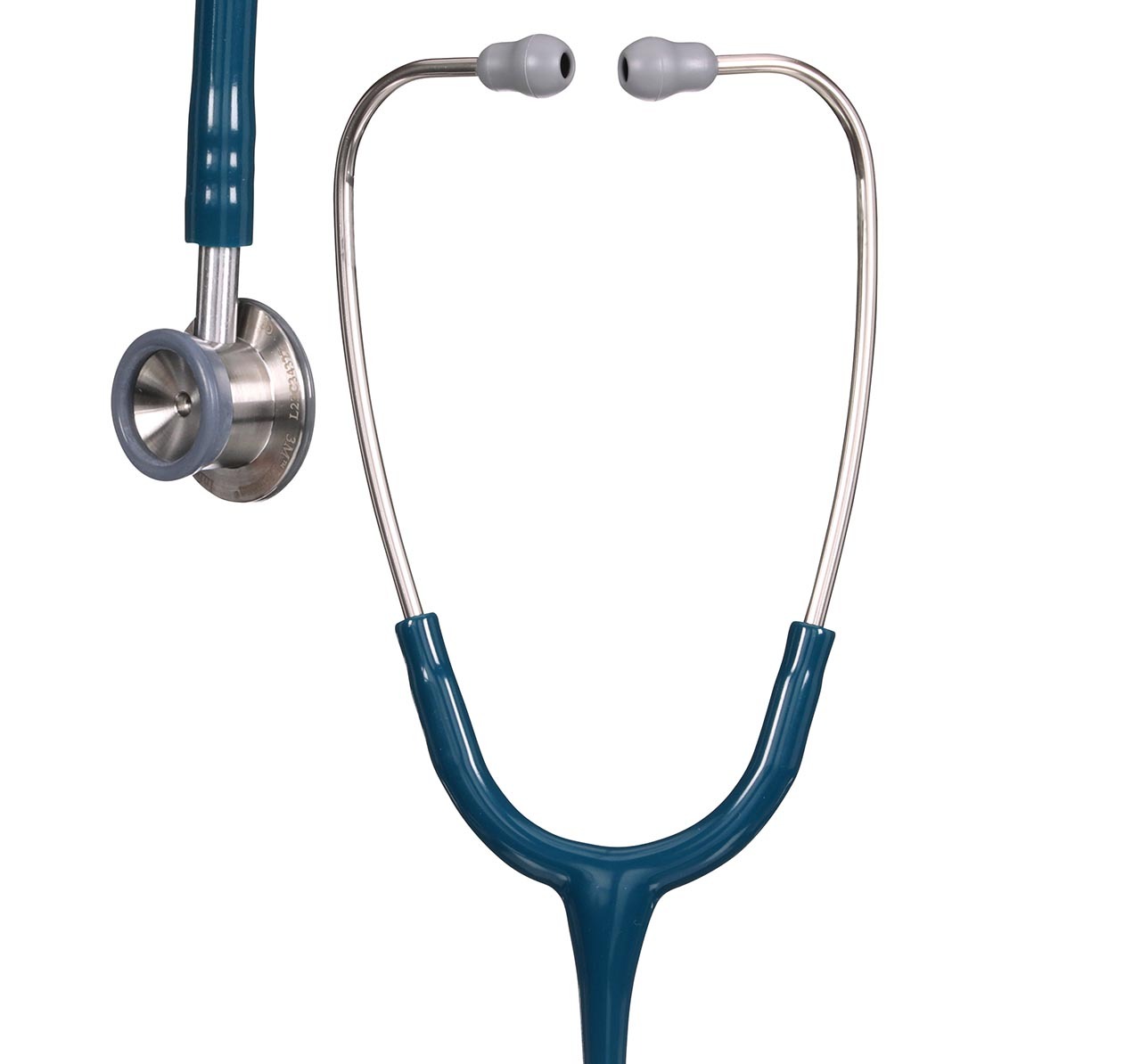
An infant stethoscope is designed specifically for very small patients, including newborns and babies. Its defining feature is a compact chestpiece that allows clinicians to position the diaphragm more precisely on a small chest or back.
The Littmann Classic II Infant Stethoscope is built with these smaller patients in mind. Its reduced chestpiece size makes it easier to isolate heart, lung, and other body sounds without covering an unnecessarily large examination area.
When Should You Use an Infant Stethoscope?
Infant stethoscopes are particularly useful in settings where clinicians regularly examine newborns and babies, including neonatal and pediatric care environments.
Because infants have limited surface area for auscultation, the smaller chestpiece provides greater control over placement. A properly sized instrument can also make examinations more comfortable for young patients.
What Is a Pediatric Stethoscope?
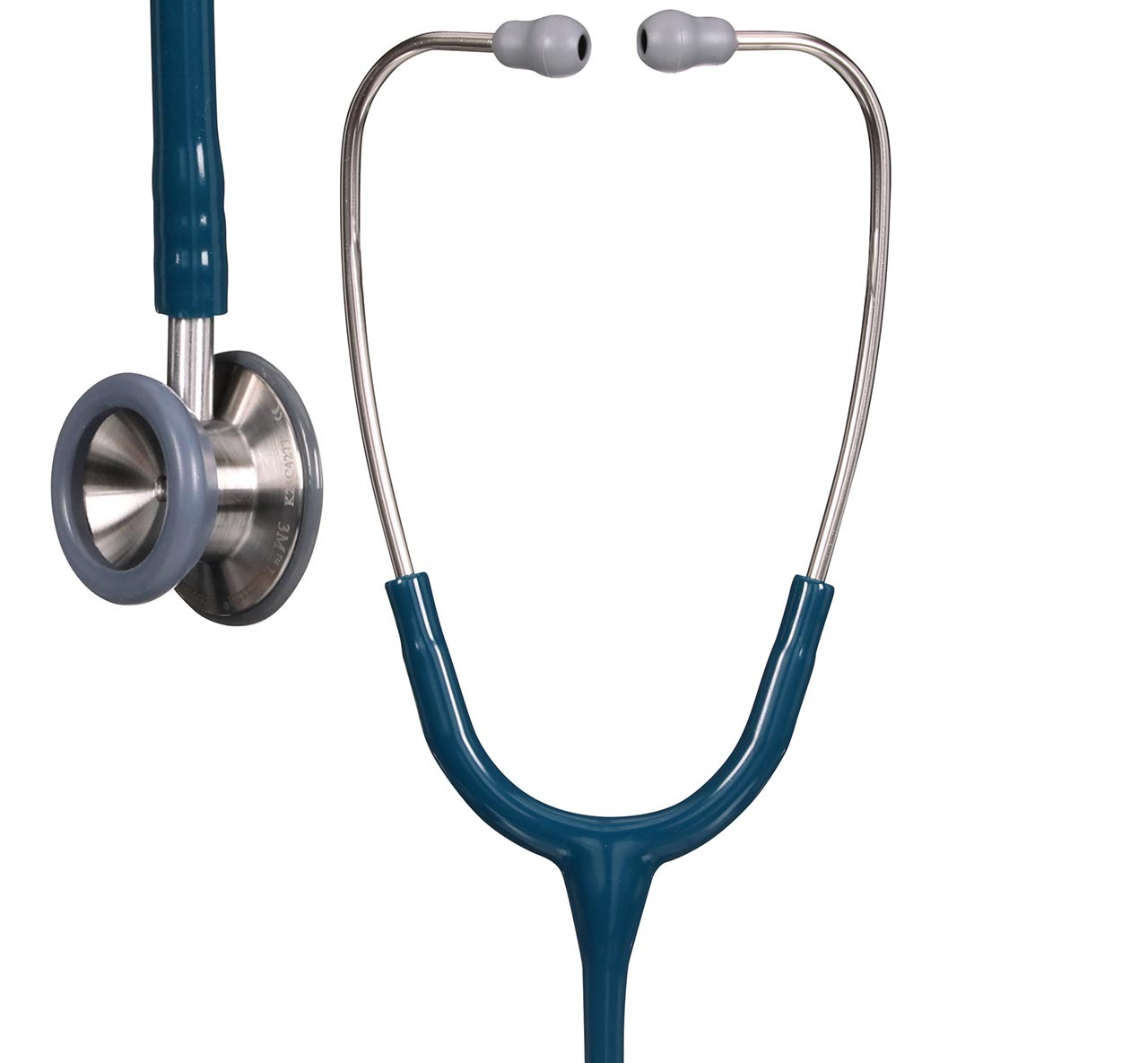
A pediatric stethoscope is designed for children who have outgrown the infant stage but are still too small for an adult-sized chestpiece to be ideal.
The Littmann Classic II Pediatric Stethoscope features a smaller bell and diaphragm than standard adult models, allowing healthcare professionals to examine children more precisely. Its pediatric dimensions make it well suited for older babies, toddlers, and growing children.
The smaller chestpiece also helps clinicians position the stethoscope accurately when listening to specific areas of the heart or lungs.
Pediatric vs. Infant Stethoscope: Key Differences
The primary difference between an infant and pediatric stethoscope is chestpiece size.
An infant stethoscope has the smallest chestpiece and is intended for newborns and babies. A pediatric stethoscope is slightly larger, making it appropriate for toddlers and children while remaining smaller than a typical adult stethoscope.
Both are designed to support clear auscultation while making it easier to work with smaller patients.
Which Stethoscope Should You Choose?
Your typical patient population should guide your decision.
Clinicians who primarily work with newborns and infants may benefit most from the Littmann Classic II Infant. Professionals who routinely examine toddlers and older children may find the Littmann Classic II Pediatric more versatile for their practice.
Some healthcare professionals who treat patients across a broad pediatric age range may choose to keep both sizes available.
Choosing the Right Stethoscope for Smaller Patients
Although infant and pediatric stethoscopes perform the same fundamental role, their size differences can make a meaningful impact during physical examinations. Infant models provide precise placement for the smallest patients, while pediatric models accommodate children as they grow.
Selecting a stethoscope that matches the patient’s size helps support comfortable examinations, accurate positioning, and effective auscultation from infancy through childhood.