

When you (or your patients) are tracking blood pressure, “close enough” isn’t good enough. A few points off can be the difference between normal, elevated, or hypertensive, and that affects diagnosis, medication decisions, and long-term health.
So what are the most accurate blood pressure monitors, and should you choose digital or analog? Let’s break it down in practical, real-world terms and help you pick the best fit from our selection of blood pressure monitors.
Why Accuracy Matters So Much
Blood pressure is one of the core vital signs for assessing cardiovascular health. Inaccurate readings can:
- Hide hypertension that needs treatment
- Make well-controlled patients look uncontrolled
- Lead to unnecessary medication changes
- Mislead both clinicians and patients who are monitoring at home
That’s why it’s important to choose a monitor that’s both inherently accurate and used correctly in the real world.
Digital vs. Analog: What’s the Difference?
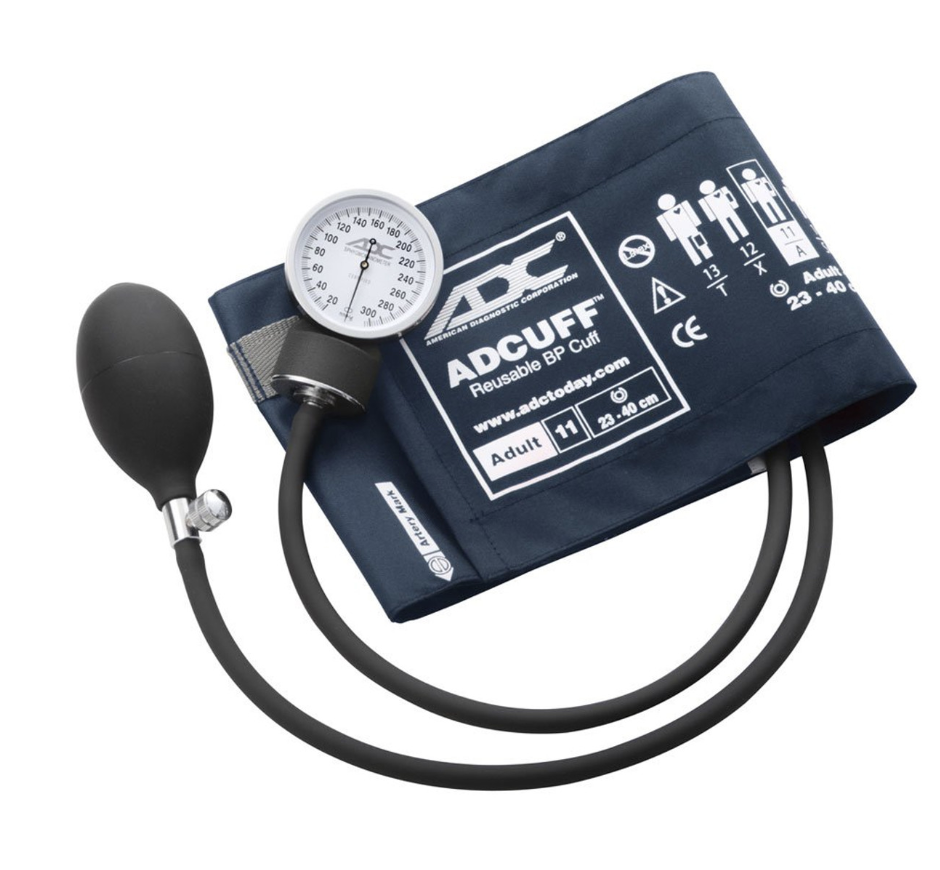
Analog (Manual) Blood Pressure Monitors
These are the classic setups you’ve seen in clinics for decades:
- Aneroid gauge (dial with needle)
- Inflatable cuff and bulb
- A stethoscope to listen to Korotkoff sounds
How analog/manual works:
- You inflate the cuff until blood flow stops.
- Slowly deflate while listening over the brachial artery with a stethoscope.
- The pressure when you first hear tapping is systolic.
- The pressure when sound disappears is diastolic.
Accuracy pros:
- Very accurate in trained hands
- Doesn’t rely on electronics, batteries, or algorithms
- Still considered a reference standard in many clinical settings
Accuracy cons:
- Highly operator-dependent (hearing, technique, deflation speed)
- Requires a quiet environment to hear Korotkoff sounds
- Aneroid gauges can drift out of calibration over time if bumped or dropped
- More room for human error in reading the dial and recording values
For clinicians trained in manual BP and using a quality aneroid gauge plus a good stethoscope, analog can be extremely accurate. For untrained users at home, accuracy often drops because the technique is tricky.
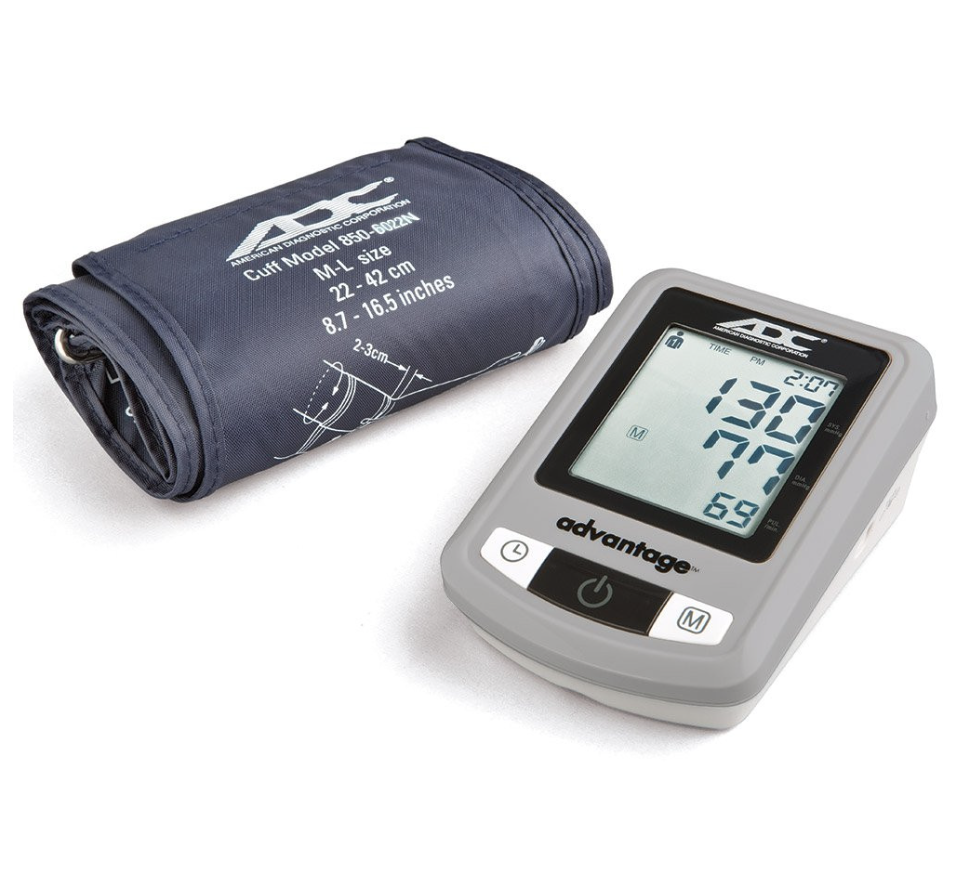
Digital (Automatic) Blood Pressure Monitors
Digital monitors use oscillometric technology:
- The cuff inflates automatically (or semi-automatically).
- The device detects pressure changes in the artery wall.
- An internal algorithm estimates systolic and diastolic pressures from those oscillations.
- Results display on a digital screen, often with pulse rate and indicators for irregular heartbeat.
Accuracy pros:
- Much less operator-dependent
- Easy to use correctly at home with minimal training
- Often clinically validated for accuracy against reference standards
- Many models average multiple consecutive readings to improve reliability
- Ideal for patients who need frequent monitoring
Accuracy cons:
- Dependent on the quality of the algorithm and components
- Cheaper, non-validated devices can be less reliable
- Some models are less accurate in arrhythmias, very high BP, or specific clinical conditions
For most patients, a clinically validated digital upper-arm monitor is the best mix of accuracy, convenience, and consistency.
Which Type Is Most Accurate?
It depends who’s using it and where.
For Home Use
For the average person at home, the most accurate choice is usually:
A high-quality, validated digital upper-arm monitor with the correct cuff size.
Why?
- It removes most of the technique errors that come with manual auscultation.
- It’s easier to repeat readings at the same time each day.
- Many devices store readings or sync to apps, which helps physicians see trends.
Wrist and finger monitors exist, but even when well-made, they’re generally more sensitive to positioning errors and can be less accurate than an upper-arm cuff if the user doesn’t follow directions perfectly.
For Clinical/Professional Use
In the hands of trained clinicians:
- Manual aneroid + stethoscope can be extremely accurate if:
- The gauge is regularly calibrated
- Technique is correct
- Environment is reasonably quiet
- Professional-grade digital monitors are also highly accurate and reduce variation between staff members, making them great for busy offices and clinics.
Many practices keep both:
- Digital for speed and consistency
- Manual as a reference or in special cases (e.g., arrhythmias, noisy environments where a clinician prefers auscultation)
Factors That Matter More Than “Digital vs. Analog”
Regardless of type, accuracy can suffer if these basics are off:
1. Cuff Size and Fit
Using the wrong cuff size is one of the most common sources of inaccurate readings.
- Too small = falsely high readings
- Too large = possibly falsely low readings
Always match cuff size to arm circumference, and be sure the cuff is snug but not painfully tight.
2. Cuff Placement and Positioning
For the most accurate reading:
- Use the upper arm whenever possible.
- Keep the cuff at heart level.
- Sit with your back supported, feet flat on the floor, and your arm resting on a surface.
- Don’t talk or move during the reading.
These rules apply to both digital and analog monitors.
3. Calibration and Maintenance
- Analog/aneroid gauges should be checked regularly (clinics often do this annually).
- Digital monitors from reputable manufacturers generally hold calibration well, but they may still need periodic checks and eventual replacement.
If readings suddenly look very different from previous values, it may be time to compare with a clinic device or replace the unit.
4. User Training
- Manual: Accurate only when the person is trained to use a cuff and stethoscope correctly.
- Digital: Still benefits from basic instruction, especially around posture, timing (e.g., after rest, not right after exercise), and avoiding caffeine or smoking 30 minutes prior.
Choosing the Right Monitor for You
When you browse blood pressure monitors, here’s a quick decision guide:
Choose a Digital Upper-Arm Monitor If…
- You’re a patient or caregiver measuring BP at home.
- You want consistency, simplicity, and stored readings.
- You’re monitoring hypertension over time or sharing data with a clinician.
Look for:
- Upper-arm design
- Appropriate cuff size options
- Clinical validation / professional-grade brand
- Features like memory storage, averaging, and irregular heartbeat detection (nice bonuses)
Choose an Analog (Manual) Monitor If…
- You’re a clinician or student trained in manual BP measurement.
- You prefer Korotkoff sounds and direct auscultation.
- You want a tool that doesn’t rely on batteries or electronics.
You’ll need:
- A quality aneroid gauge
- Correct cuff size
- A reliable stethoscope (such as Littmann or ADC models, often recommended alongside monitors)
- A commitment to proper technique and regular calibration
So… Which One Is “Most Accurate”?
If we boil it down:
- In a perfectly controlled setting with a highly trained clinician and a calibrated device, high-quality analog and high-quality digital can both be very accurate.
- In the real world, especially at home, a validated digital upper-arm monitor usually gives the most consistently accurate results for most people.
The best choice is the one that:
- Is made by a reputable manufacturer
- Uses the right cuff size
- Matches the user’s skill level
- Will actually be used correctly and regularly
You can explore a full range of both digital and analog options on our curated blood pressure monitors page to find the perfect match for your needs.