
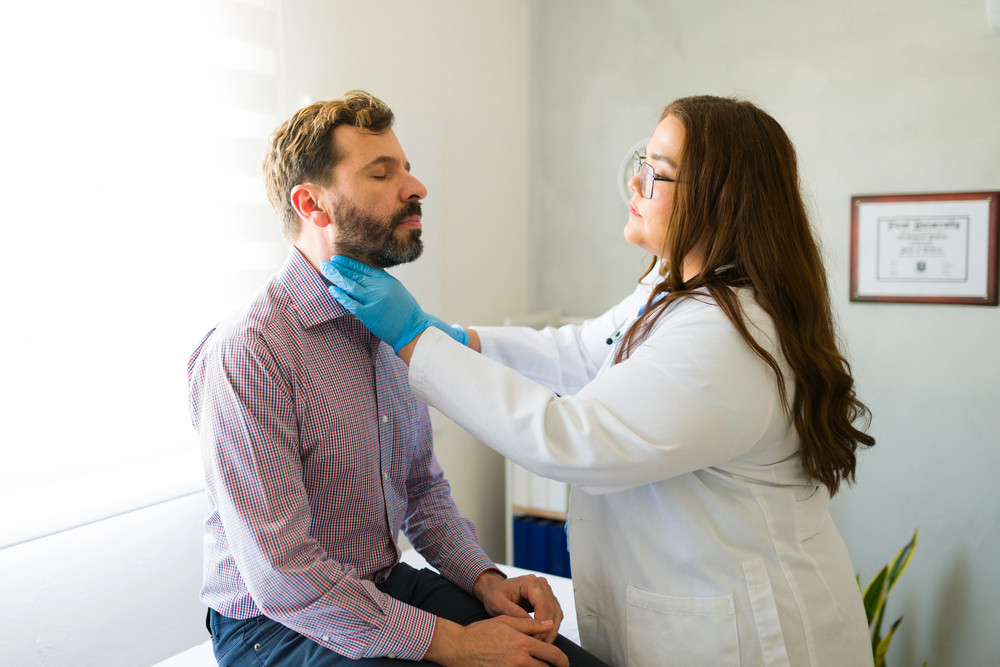
Physical assessment is one of the most fundamental skills in healthcare. Whether performed by a nurse, physician, EMT, or medical student, a thorough exam helps clinicians collect objective data, identify abnormalities, and guide next steps in care. At the center of this process are four essential techniques: inspection, palpation, percussion, and auscultation.
These methods are typically performed in that order and allow providers to evaluate the body through sight, touch, tapping, and listening. Together, they create a structured approach to examining patients across a wide range of clinical settings. Understanding how each technique works is especially important for healthcare students and professionals building strong diagnostic habits, and having dependable tools can support that process from training through practice.
Why the Four Techniques of Physical Assessment Matter
The four techniques of physical assessment provide a reliable framework for gathering information before ordering more advanced tests. In many cases, a skilled physical exam can reveal early signs of illness, help monitor changes in a patient’s condition, and improve clinical decision-making.
From checking skin color and breathing pattern to listening for heart or lung sounds with a high-quality stethoscope, each step plays a distinct role in patient evaluation.
1. Inspection
Visual observation as the first step
Inspection is the purposeful visual examination of the patient. It begins the moment the clinician sees the patient and continues throughout the encounter. During inspection, the provider observes overall appearance, posture, movement, symmetry, skin color, and any visible abnormalities.
This stage is not limited to sight alone. It can also include noticing odors on the breath or from wounds, which may offer important clinical clues. Good inspection requires close attention to detail, proper lighting, and a systematic approach.
2. Palpation
Using touch to assess texture, tenderness, and temperature
Palpation involves using the hands and fingers to feel the body for abnormalities. Clinicians assess factors such as texture, temperature, moisture, pulsations, masses, and tenderness.
There are two main forms of palpation. Light palpation is used for surface-level findings, while deep palpation helps evaluate underlying structures or organs. As a rule, tender or painful areas should be palpated last to avoid unnecessary discomfort and guarding.
3. Percussion
Tapping to evaluate underlying structures
Percussion is the technique of tapping the body surface to produce sound waves. These sounds help clinicians determine whether the tissue underneath is air-filled, fluid-filled, or solid.
For example, healthy lungs typically produce a resonant sound, while denser organs or abnormal fluid may create a duller note. Though subtle, percussion can provide valuable insight into the condition of the chest or abdomen during a physical exam.
4. Auscultation
Listening to internal body sounds
Auscultation is the process of listening to sounds produced within the body, including the heart, lungs, and intestines. This technique is most often performed with a stethoscope, making sound quality and acoustic performance especially important. Providers who need dependable equipment for daily assessments often turn to diagnostic tools and stethoscopes designed for clear sound transmission.
An Important Exception: Abdominal Assessment
Although the usual sequence is inspection, palpation, percussion, and auscultation, the abdomen is assessed differently. For abdominal exams, the correct order is inspection, auscultation, percussion, and palpation. This prevents touching or tapping the abdomen from altering bowel sounds before they are evaluated.
Why the 4 Techniques of Physical Assessment Still Matter
The four techniques of physical assessment continue to play a central role in patient care. When healthcare professionals develop confidence in inspection, palpation, percussion, and auscultation, they are better prepared to gather accurate findings and make informed clinical decisions. Whether you are just beginning to learn these skills or building on years of experience, a thorough assessment depends on a thoughtful approach, careful observation, and reliable tools that support everyday practice.